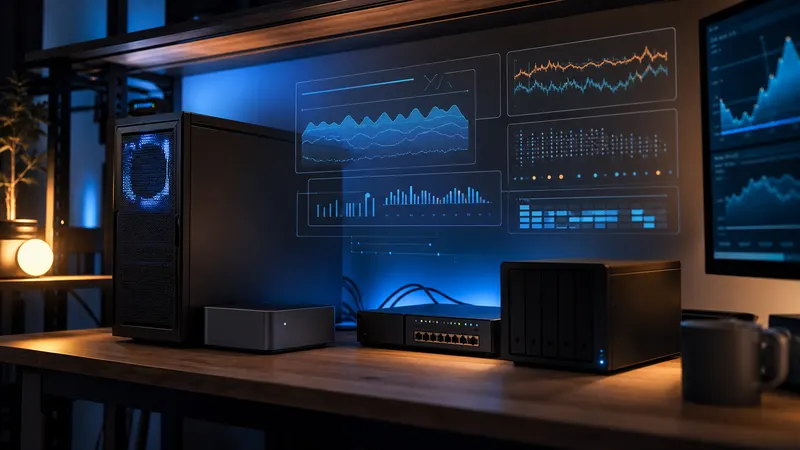
Build a Local AI Health Dashboard Before Your Lab Gets Weird
Track GPU, disk, containers, and model services in one local AI health dashboard before your home lab becomes guesswork
Read the article →20-year IT veteran turned AI enthusiast. I test the tools, cut through the hype, and write the guides I wish existed when I started.
Track GPU, disk, containers, and model services in one local AI health dashboard before your home lab becomes guesswork
Read the article →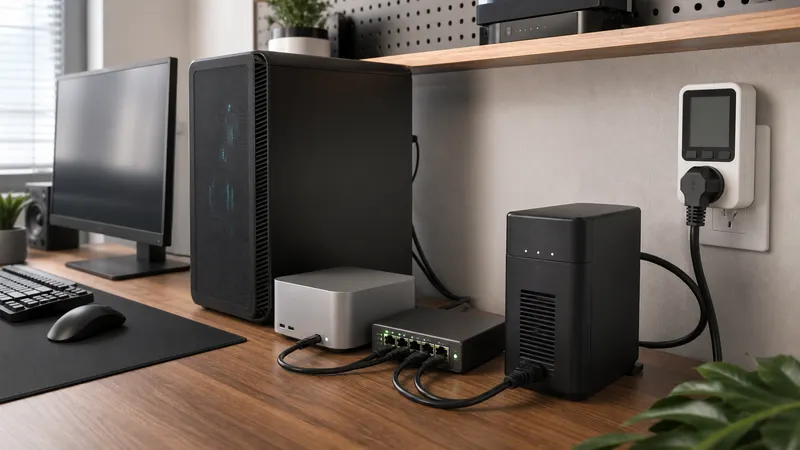
Add a wall power meter or UPS telemetry to your local AI lab so GPU upgrades, power limits, and runtime decisions are based on real numbers
Read the article →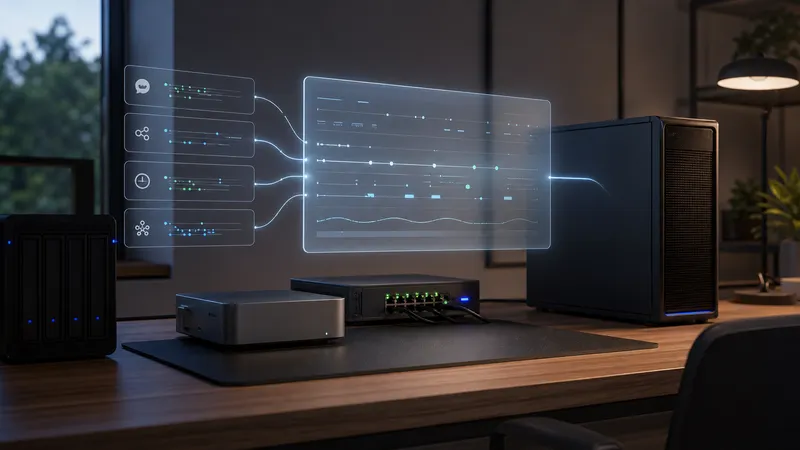
Add private prompt tracing to local AI automations so you can debug bad answers, slow runs, and hidden tool failures without guessing
Read the article →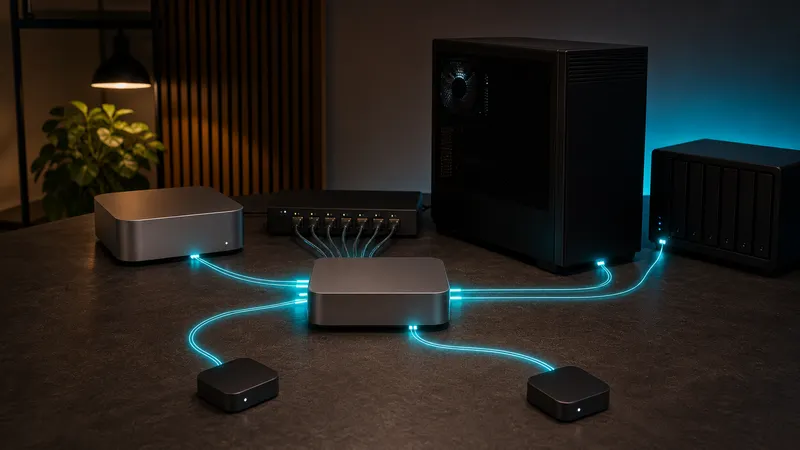
Build one local AI API gateway for Ollama, llama.cpp, and home-lab automations before every app hard-codes its own model endpoint
Read the article →
Build a private vector search sandbox for local AI so you can test embeddings, chunks, metadata, and retrieval quality before automating RAG
Read the article →
Build a private OCR inbox for scanned manuals, receipts, PDFs, and lab notes before sending documents into local AI search, summaries, or RAG
Read the article →
Build a private local speech-to-text pipeline for notes, meetings, voice memos, and automations using Whisper, whisper.cpp, faster-whisper, and clean audio habits
Read the article →
A practical recovery kit for headless local AI boxes: KVM access, SSH, power control, notes, Docker restart habits, and safer GPU troubleshooting
Read the article →
A practical guide to using a small mini PC to coordinate Open WebUI, Ollama, automation, storage, and network access in a local AI home lab
Read the article →
A practical RTX 5080 local AI guide: when 16GB VRAM works, when it fails, current price context, and better alternatives
Read the article →
RTX 5090 current price guide for local AI buyers: MSRP, fair price bands, best stores to check, and when to skip it
Read the article →
A practical guide to measuring Ollama, ComfyUI, power, thermals, and repeatability before buying another local AI upgrade
Read the article →